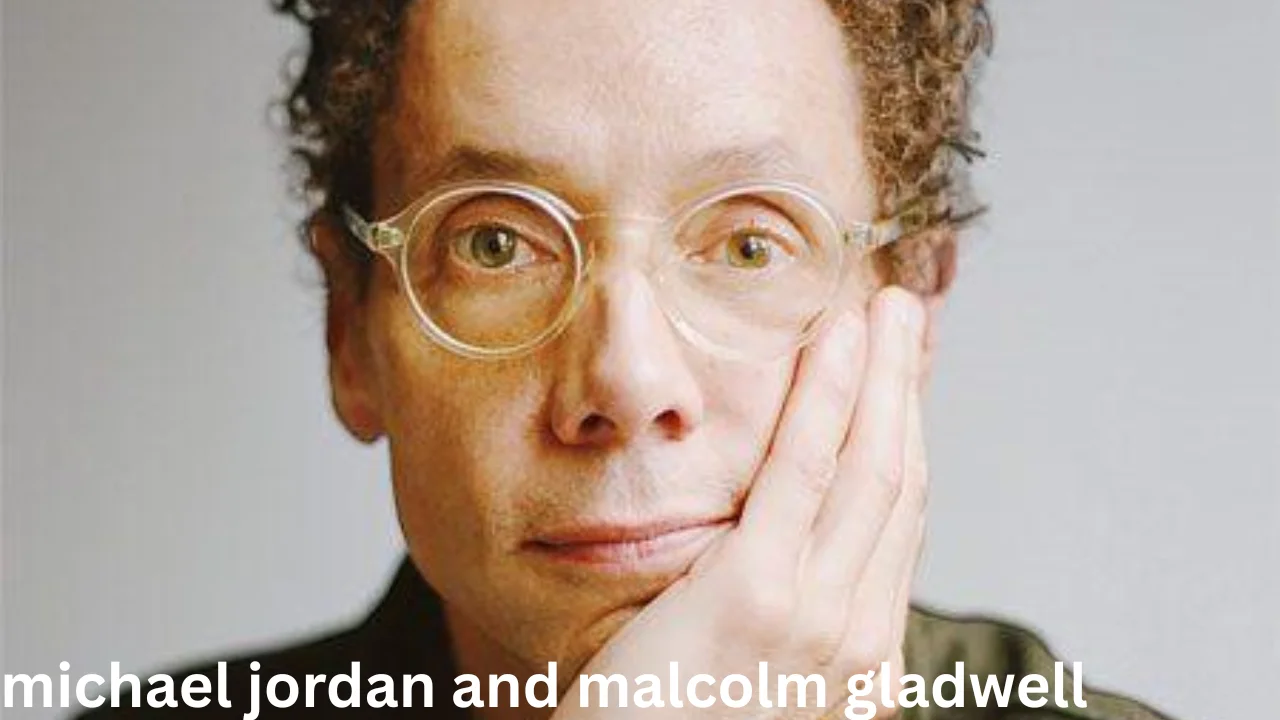
Michael Jordan and Malcolm Gladwell on the 10,000-Hour Rule
Michael Jordan and Malcolm Gladwell are often linked through one big question: what makes a person truly successful? Jordan shows what greatness looks like in real life. Gladwell explains why success is not only about talent. When we look at both together, we get a clear lesson about hard work, timing, practice, support, and opportunity.
Many people think success comes from natural talent alone. They see Jordan flying through the air, scoring in big games, and winning titles. They may think he was simply born to be great. But his story shows something deeper. He trained hard, failed often, and used every setback as fuel.
Malcolm Gladwell, the author of Outliers, studies why some people reach high levels of success. He argues that success does not happen in isolation. People need talent, but they also need practice, culture, timing, family support, coaching, and the right chances.
Together, Michael Jordan and Malcolm Gladwell help us understand success in a simple way. Talent may open the door, but effort, habits, and opportunity help a person walk through it.
You May Like: resident evil games ranked
Michael Jordan and Malcolm Gladwell: Why Talent Is Not Enough
Michael Jordan had rare physical gifts. He was fast, strong, skilled, and highly competitive. But talent alone did not make him a champion. He built his game through daily work and strong discipline.
Jordan did not become great overnight. In high school, he faced disappointment when he did not make the varsity team as early as he wanted. Instead of giving up, he worked harder. That moment became part of his story because it pushed him to improve.
Malcolm Gladwell would likely see this as a key part of success. In his view, people who reach the top often get chances to practice more, learn more, and grow through challenge. Jordan’s failure did not stop him. It gave him a reason to work.
This is an important lesson for students, athletes, workers, and business owners. Natural ability helps, but it does not replace effort. A talented person who refuses to grow can fall behind. A focused person who keeps learning can move ahead.
The Role of Practice in Greatness
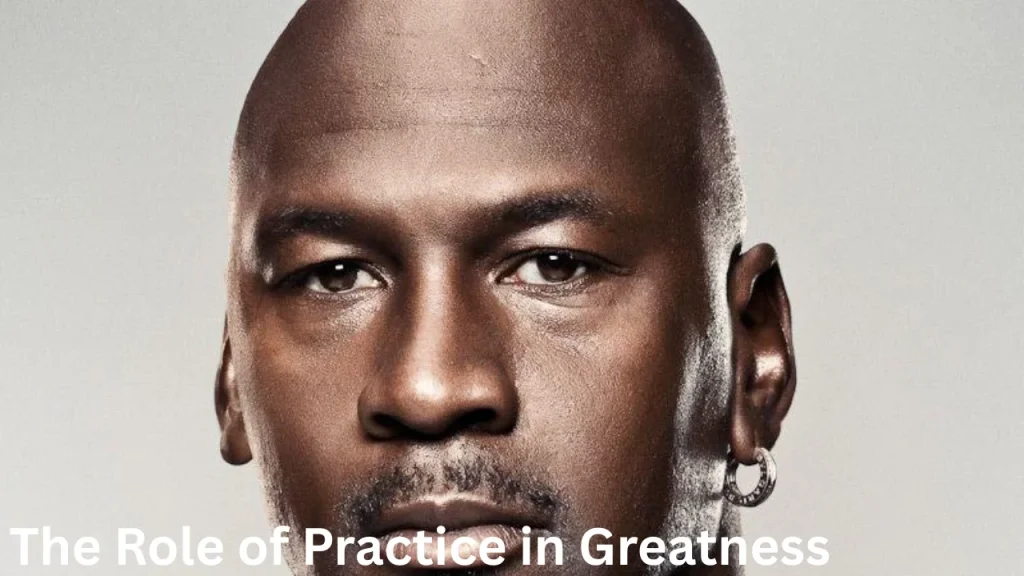
Practice sits at the center of both Jordan’s career and Gladwell’s ideas. Gladwell made the 10,000-hour rule famous through Outliers. The rule suggests that many top performers spend huge amounts of time improving their craft.
This does not mean that anyone can become Michael Jordan by counting hours. Practice must have purpose. A person must work on weak areas, accept feedback, repeat key skills, and stay patient.
Jordan practiced with serious focus. He trained his shooting, defense, footwork, strength, and mental game. He also studied opponents. He wanted to know their habits, weaknesses, and patterns.
This kind of practice is different from casual practice. It is planned. It has a goal. It forces improvement. That is why Jordan became known not only for his talent, but also for his work ethic.
For readers, this lesson is simple. If you want to improve in anything, do not only spend time on it. Spend smart time on it. Work on the parts that matter most.
Michael Jordan and Malcolm Gladwell on Opportunity
Michael Jordan and Malcolm Gladwell also show that opportunity matters. Jordan had skill and drive, but he also had coaches, teammates, and systems that helped him grow.
At the University of North Carolina, Jordan played under strong coaching. He learned structure, teamwork, and discipline. In the NBA, the Chicago Bulls built a team around him. Later, Phil Jackson helped guide the Bulls with a system that allowed Jordan and his teammates to win together.
Gladwell often writes about hidden advantages. These can include birth dates, family background, culture, education, mentors, and timing. People may not always notice these factors, but they can shape a life.
Jordan still had to do the work. No coach could shoot the ball for him. No system could give him his famous drive. But the right environment helped his talent grow.
This matters because success is rarely a solo story. Behind many successful people, there are teachers, parents, teams, coaches, friends, and chances that helped them move forward.
Failure Helped Build Michael Jordan
One reason people admire Jordan is that he turned failure into power. He lost games. He missed shots. He faced strong rivals. The Detroit Pistons, for example, gave the Bulls serious problems before Chicago finally became a champion team.
Jordan did not treat failure as the end. He treated it as information. If he lost, he asked what needed to change. If opponents were stronger, he trained harder. If teams defended him in a certain way, he adjusted.
This mindset connects well with Gladwell’s ideas about success. High performers often have access to learning loops. They try, fail, learn, and try again. Over time, this creates growth.
Many people fear failure because they see it as shame. Jordan’s career shows another path. Failure can become a teacher. It can show a person where to improve.
The key is not to fail and stop. The key is to fail, study the reason, and return better prepared.
The Mindset Behind Elite Performance
Jordan’s mindset made him different. He wanted to win, but he also wanted to prove himself. He used doubt, criticism, and pressure as energy. This helped him stay focused during hard moments.
His competitive nature became one of his strongest traits. He did not only want to play well when things were easy. He wanted the ball when the game was close. He wanted responsibility.
Gladwell’s work helps explain why mindset alone is not the full answer. A strong mind needs the right setting. A person needs chances to test that mindset. Jordan had big stages where he could prove himself again and again.
Still, mindset matters. Without mental strength, talent can fade under pressure. Jordan showed that confidence grows from preparation. He trusted himself because he had done the work before the moment arrived.
This is useful for anyone. If you want confidence, prepare. If you want courage, practice under pressure. If you want results, build habits before the big moment comes.
Michael Jordan and Malcolm Gladwell: Lessons for Students and Workers
Michael Jordan and Malcolm Gladwell offer lessons far beyond basketball. Their ideas can help students, workers, creators, and business owners.
First, focus on skill. Do not wait for motivation. Build a daily routine. Small steps, repeated over time, create real progress.
Second, learn from mistakes. A bad grade, failed project, lost game, or missed chance can teach you something. Do not waste the lesson.
Third, find good mentors. A coach, teacher, manager, or experienced friend can help you see what you miss. Guidance can save time and reduce mistakes.
Fourth, choose the right environment. If the people around you support growth, you will likely improve faster. If they pull you down, progress becomes harder.
Fifth, stay patient. Success often takes longer than people expect. Jordan’s championships came after years of work, losses, and team growth.
Why the 10,000-Hour Rule Still Gets Attention
The 10,000-hour rule remains popular because it gives people a clear idea: mastery takes time. It reminds readers that great skill does not happen by luck alone.
However, the rule should not be taken too simply. Hours matter, but the quality of practice matters more. Ten thousand hours of poor practice will not create world-class results.
Jordan’s career proves this point. He did not only play basketball for many hours. He worked with purpose. He improved his body, his shooting, his defense, and his leadership.
Gladwell’s larger point is also important. Success comes from a mix of factors. Practice matters. Timing matters. Support matters. Culture matters. Chance matters.
This balanced view helps us avoid two common mistakes. One mistake is thinking talent is everything. The other is thinking hard work alone always guarantees success. The truth sits between both ideas.
What Made Jordan Different From Other Talented Players?
Many players have talent. Many players practice. So what made Jordan stand out?
Jordan combined several strengths at once. He had athletic ability, strong focus, deep confidence, and a constant desire to improve. He also performed well under pressure.
He became a complete player. He could score, defend, pass, lead, and adjust. He did not depend on only one skill. This made him hard to stop.
His timing also mattered. He entered the NBA when basketball was growing as a global sport. Television, marketing, Nike, and the Bulls’ success helped turn him into a worldwide name.
Gladwell would likely point to this mix. Jordan’s greatness came from personal effort and outside conditions. He was ready when the moment came, and the world was ready to watch.
Success Is a System, Not a Single Trait
The biggest lesson from Michael Jordan and Malcolm Gladwell is that success is a system. It is not just one thing.
Talent starts the journey. Practice builds skill. Coaching shapes direction. Failure teaches lessons. Opportunity opens doors. Mindset keeps a person moving.
When these parts work together, success becomes more possible. When one part is missing, the path becomes harder.
This view is helpful because it gives people control without creating false hope. You may not control every chance you get. But you can control your habits, learning, effort, and response to failure.
You can also place yourself in better environments. You can seek mentors. You can practice with purpose. You can stay ready for the right chance.
Frequently Asked Question
What is the connection between Michael Jordan and Malcolm Gladwell?
Michael Jordan shows what elite success looks like in sports. Malcolm Gladwell explains the factors that help people achieve that level of success.
Did Malcolm Gladwell write about Michael Jordan?
Gladwell has discussed ideas that relate to Jordan’s journey. His work highlights how practice and opportunity contribute to greatness.
How does the 10,000-hour rule relate to Michael Jordan?
Jordan spent countless hours improving his skills and performance. His career reflects the value of dedicated and focused practice.
What success lessons can people learn from Michael Jordan and Malcolm Gladwell?
They show that talent alone is not enough for lasting success. Hard work, discipline, and opportunity all play important roles.
Why are Michael Jordan and Malcolm Gladwell often discussed together?
Both are linked to the study of excellence and achievement. Jordan represents success in action, while Gladwell explains how success develops.
Final Thoughts on Michael Jordan and Malcolm Gladwell
Michael Jordan and Malcolm Gladwell help us see success in a smarter way. Jordan’s life shows the power of work, focus, and courage. Gladwell’s ideas show that success also depends on timing, support, practice, and opportunity. When we study both together, we learn that greatness is not magic. It is built through talent, effort, learning, and the right conditions.
People Also Read: cancer foundation hospital