Can Dog Eat Avocado? Vet-Approved Safety Guide
Many dog owners enjoy sharing food with their pets. When it comes to fruits, people often wonder, can dog eat avocado safely? Avocado is known for its healthy fats, vitamins, and minerals. However, not every human food is suitable for dogs. Before giving avocado to your furry friend, it is important to understand both the benefits and risks.
You May Like: the perfect marriage book summary
Can Dog Eat Avocado? The Simple Answer

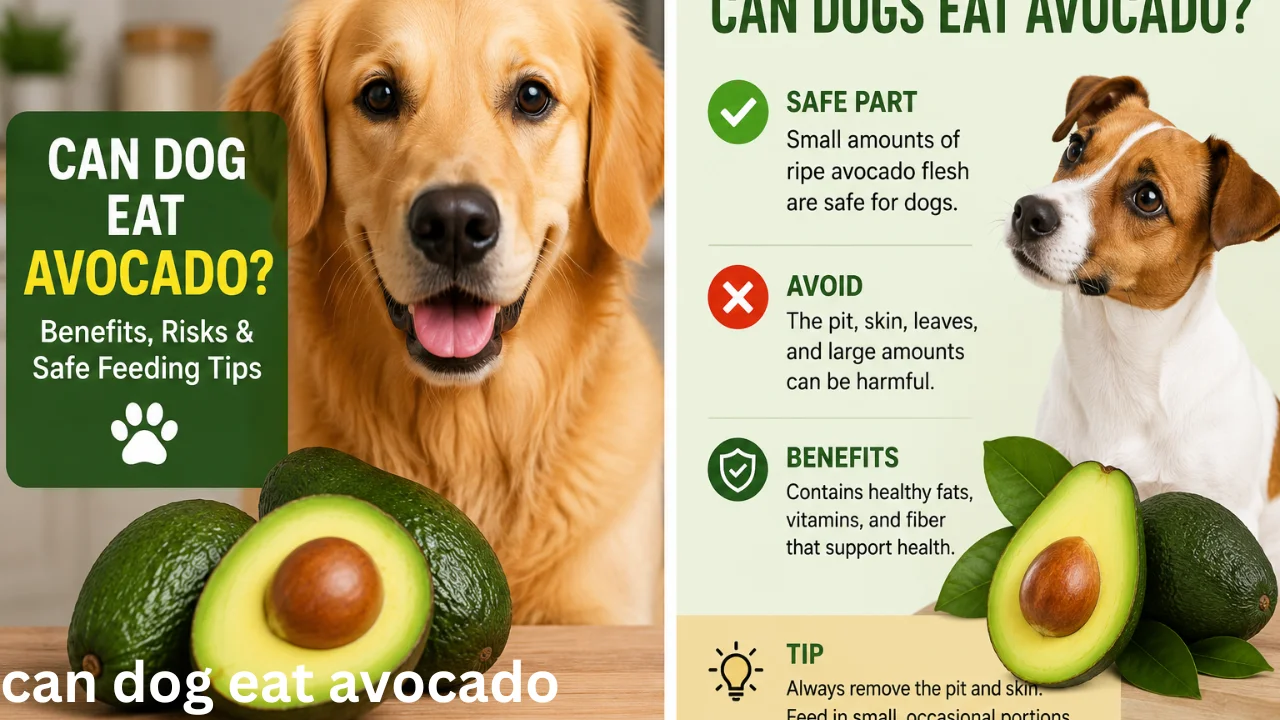
Yes, dogs can eat small amounts of avocado flesh in most cases. The soft green part of a ripe avocado is generally not considered highly toxic to dogs when given in moderation.
However, there are some important risks that pet owners should know. The avocado pit, skin, and leaves can be dangerous. Feeding large amounts of avocado may also lead to digestive issues because of its high fat content.
For this reason, avocado should only be an occasional treat and not a regular part of your dog’s diet.
Why Do People Ask, “Can Dog Eat Avocado?”
Many pet owners ask this question because avocado contains a natural substance called persin. Persin is found in different parts of the avocado plant.
While persin can be harmful to some animals such as birds, horses, and rabbits, dogs are generally more resistant to it. Still, consuming large amounts of avocado parts that contain higher levels of persin may cause stomach discomfort.
This is why understanding the correct way to offer avocado is important.
Nutritional Benefits of Avocado for Dogs
When fed in small amounts, avocado can provide several nutrients that may support your dog’s health.
Healthy Fats
Avocado contains healthy monounsaturated fats. These fats can support skin health and help maintain a shiny coat.
Vitamins
Avocados contain important vitamins, including:
- Vitamin A
- Vitamin C
- Vitamin E
- Vitamin K
- Several B vitamins
These vitamins support the immune system and overall wellness.
Fiber
Fiber helps support healthy digestion and regular bowel movements. A small amount of avocado can contribute to your dog’s fiber intake.
Antioxidants
Avocados contain antioxidants that help protect cells from damage caused by free radicals.
Can Dog Eat Avocado Every Day?
No, dogs should not eat avocado every day.
Although avocado contains beneficial nutrients, it is also high in calories and fat. Regular feeding may lead to weight gain and digestive problems.
Dogs receive most of their nutritional needs from a complete and balanced dog food diet. Avocado should only be offered occasionally as a treat.
Most veterinarians recommend limiting treats to about 10% of your dog’s daily calorie intake.
Risks of Feeding Avocado to Dogs
While avocado flesh is generally safe in moderation, several risks should be considered.
High Fat Content
Avocado contains a significant amount of fat. Too much fat may cause:
- Upset stomach
- Vomiting
- Diarrhea
- Weight gain
In some cases, excessive fat intake may contribute to pancreatitis, a serious condition affecting the pancreas.
Avocado Pit Hazard
The pit is one of the biggest concerns.
It can become lodged in the throat or digestive tract. This may create a choking hazard or intestinal blockage that requires emergency veterinary treatment.
Never allow your dog to chew on or swallow an avocado pit.
Skin and Leaves
The skin and leaves contain higher levels of persin than the flesh.
These parts are difficult to digest and may cause digestive problems. Dogs should never eat avocado skin or leaves.
Digestive Sensitivity
Some dogs have sensitive stomachs. Even small amounts of avocado can trigger:
- Gas
- Stomach pain
- Loose stools
- Vomiting
If your dog has never eaten avocado before, start with a very small portion.
Can Dog Eat Avocado Safely? Best Feeding Practices
If you want to offer avocado to your dog, follow these safety guidelines.
Choose a Ripe Avocado
Select a ripe avocado with soft flesh. Avoid spoiled or moldy avocados.
Remove the Pit
Always remove the pit completely before feeding.
Remove the Skin
Peel away all skin and discard it safely.
Feed Small Portions
Offer only a small amount based on your dog’s size.
General serving suggestions:
- Small dogs: 1–2 teaspoons
- Medium dogs: 1 tablespoon
- Large dogs: 1–2 tablespoons
These amounts should only be given occasionally.
Watch for Reactions
After feeding avocado for the first time, monitor your dog for signs of digestive upset.
Can Puppies Eat Avocado?
Puppies can technically eat small amounts of avocado flesh, but it is usually better to avoid it.
Puppies have more sensitive digestive systems than adult dogs. Introducing rich foods too early may cause diarrhea or stomach discomfort.
Stick with puppy-approved foods and treats unless your veterinarian advises otherwise.
What Happens If a Dog Eats Too Much Avocado?
Eating too much avocado may result in digestive problems.
Common symptoms include:
- Vomiting
- Diarrhea
- Loss of appetite
- Abdominal discomfort
- Excessive gas
If your dog consumed a large amount of avocado or swallowed a pit, contact your veterinarian immediately.
A swallowed pit may cause a life-threatening blockage that requires medical treatment.
Signs Your Dog Needs Veterinary Attention
Contact a veterinarian if your dog shows any of the following signs after eating avocado:
- Repeated vomiting
- Severe diarrhea
- Difficulty breathing
- Choking
- Abdominal swelling
- Extreme tiredness
- Refusal to eat
- Difficulty passing stool
Prompt treatment can prevent serious complications.
Better Fruit Alternatives for Dogs
If you are unsure about feeding avocado, many other fruits are safer options.
Apples
Apples provide fiber and vitamins. Remove seeds and the core before serving.
Blueberries
Blueberries are rich in antioxidants and make excellent low-calorie treats.
Bananas
Bananas contain potassium and are easy for most dogs to digest.
Watermelon
Seedless watermelon is hydrating and refreshing during warm weather.
Strawberries
Strawberries offer vitamin C and antioxidants while being naturally sweet.
These fruits are often easier on a dog’s digestive system than avocado.
Common Myths About Dogs and Avocado
Myth 1: Avocado Is Highly Toxic to All Dogs
This is not completely true.
The flesh of ripe avocado is generally safe in small amounts. The real concerns involve excessive consumption, pits, and skins.
Myth 2: Dogs Can Eat Unlimited Avocado
False.
Too much avocado can cause digestive upset and excessive calorie intake.
Myth 3: Avocado Is Necessary for a Dog’s Health
False.
Dogs do not require avocado to stay healthy. They can receive all essential nutrients from a balanced diet.
Frequently Asked Questions
Can dog eat avocado toast?
No. Avocado toast often contains ingredients such as garlic, onion, salt, or seasonings that may be harmful to dogs.
Can dog eat guacamole?
No. Guacamole frequently contains onions, garlic, and spices that are toxic to dogs.
Can dog eat avocado oil?
Small amounts of avocado oil are generally considered safe. However, it should only be used occasionally and with veterinary approval.
Can dog eat frozen avocado?
Plain frozen avocado flesh may be safe in small quantities, but it should be free from added sugars, flavorings, or artificial ingredients.
Can dog eat avocado pit?
No. The pit is dangerous and should never be given to dogs.
Final Thoughts
So, can dog eat avocado safely? The answer is yes, but only in moderation and with proper preparation. The flesh of a ripe avocado can provide beneficial nutrients, including healthy fats, fiber, and vitamins. However, the pit, skin, and leaves should never be given to dogs because they can create serious health risks. If you decide to offer avocado as an occasional treat, keep portions small and monitor your pet closely. By following these precautions, you can make informed choices about whether can dog eat avocado is the right question for your dog’s diet and overall health.