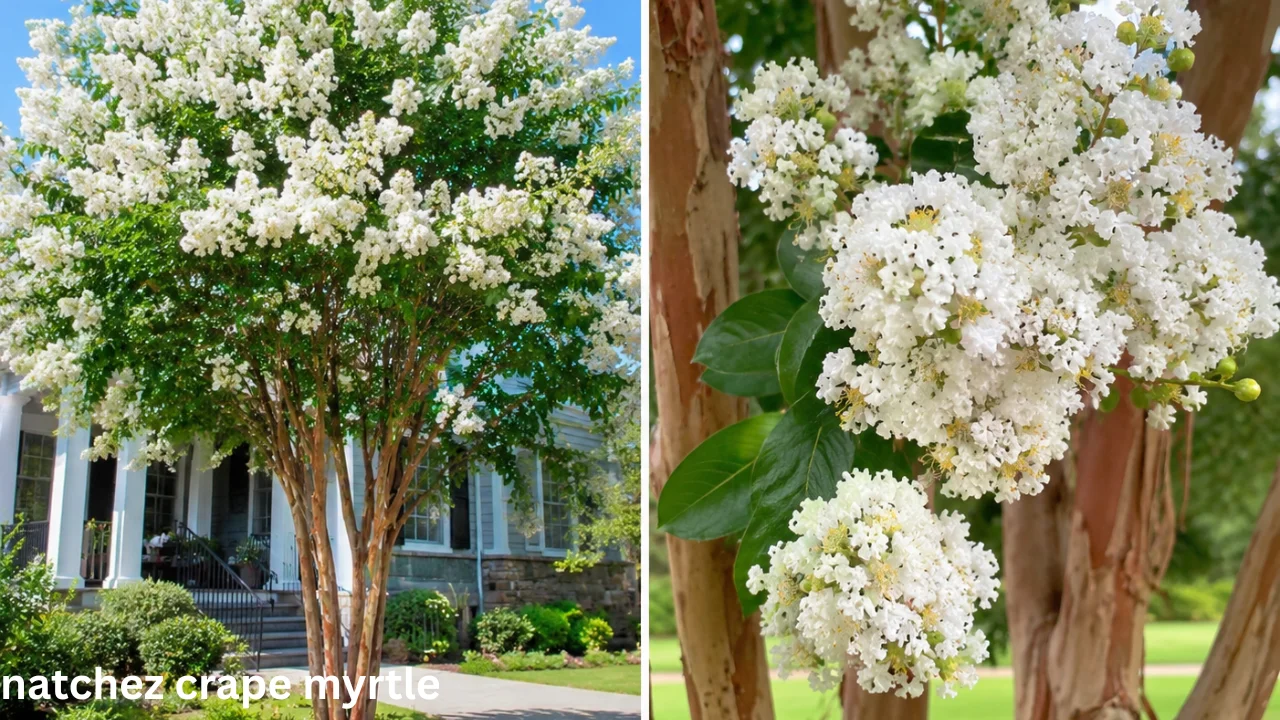
Natchez Crape Myrtle vs Muskogee Which Tree Is Better
The Natchez Crape Myrtle is one of the most popular flowering trees for home gardens and landscapes. People love this tree because of its bright white flowers, smooth cinnamon-colored bark, and long blooming season. It grows fast, looks beautiful in every season, and needs less maintenance than many other ornamental trees.
This tree works well in front yards, backyards, parks, and streets. Many homeowners choose it because it can handle heat, humidity, and dry weather. The Natchez variety is also known for its resistance to mildew, which makes it easier to grow compared to older crape myrtle types.
You May Like: mi vida meaning
What Is Natchez Crape Myrtle?
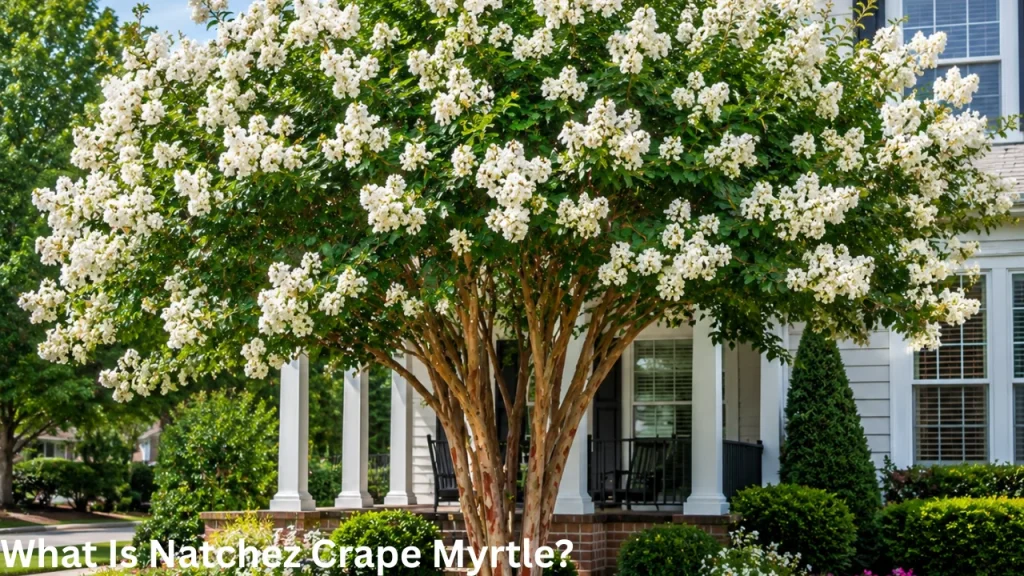
The Natchez Crape Myrtle is a hybrid variety of crape myrtle trees. It is famous for its large clusters of pure white flowers and attractive peeling bark. This tree blooms during summer when many other plants stop flowering due to heat.
The tree was developed to improve disease resistance and flower quality. It belongs to the Lagerstroemia family and grows best in warm climates.
Many gardeners plant this tree because it gives color and beauty for a long time. Its flowers can last from early summer until fall.
Natchez Crape Myrtle Size and Growth Rate
One of the main reasons people choose this tree is its fast growth.
A mature Natchez Crape Myrtle can grow:
- 20 to 30 feet tall
- 15 to 20 feet wide
It grows quickly under the right conditions. Most trees grow around 2 to 3 feet per year.
Because of its large size, this tree works best as:
- A specimen tree
- A shade tree
- A privacy screen
- A street tree
You should leave enough space between the tree and nearby buildings. The roots are not highly aggressive, but the canopy spreads wide over time.
Why Homeowners Love Natchez Crape Myrtle
The Natchez Crape Myrtle offers many benefits that make it stand out from other flowering trees.
Long Blooming Season
The tree blooms for several months during summer. The white flowers appear in large clusters and create a striking look in the landscape.
Beautiful Bark
Its bark peels naturally and shows shades of cinnamon, brown, and cream. Even in winter, the tree looks attractive.
Disease Resistance
Older crape myrtles often suffered from powdery mildew. Natchez has strong resistance to this problem.
Heat and Drought Tolerance
This tree handles hot weather very well. Once established, it needs less watering than many other landscape trees.
Low Maintenance
The tree does not require constant care. With proper pruning and watering, it stays healthy for years.
Best Climate for Natchez Crape Myrtle
This tree grows best in warm regions.
It performs well in:
- USDA Zones 6 to 10
- Southern states
- Warm urban landscapes
The tree loves sunlight and warm temperatures. It can survive mild winters, but heavy frost may damage young plants.
If you live in a cooler area, plant it in a location that receives full sun and protection from strong winter winds.
How to Plant Natchez Crape Myrtle
Planting the tree correctly helps it grow faster and healthier.
Choose the Right Spot
Pick an area with:
- Full sunlight
- Good air circulation
- Well-drained soil
The tree needs at least 6 hours of direct sunlight daily.
Dig the Hole
Make a hole:
- Twice as wide as the root ball
- Equal to the depth of the root ball
Do not plant the tree too deep.
Water After Planting
Water deeply after planting to help the roots settle into the soil.
Add Mulch
Place mulch around the base to:
- Hold moisture
- Reduce weeds
- Protect roots from heat
Keep mulch away from the trunk to prevent rot.
Natchez Crape Myrtle Care Guide
This tree is easy to maintain when given basic care.
Watering
Young trees need regular watering during the first growing season.
Once established:
- Water deeply once per week
- Increase watering during extreme heat
Avoid overwatering because soggy soil can damage roots.
Fertilizer
Use a balanced fertilizer during spring.
Too much fertilizer may cause:
- Excess leaf growth
- Fewer flowers
A slow-release fertilizer usually works best.
Sunlight
Full sun is important for strong blooming.
Trees grown in shade may:
- Produce fewer flowers
- Grow weak branches
- Develop mildew problems
Natchez Crape Myrtle Pruning Tips
Pruning keeps the tree healthy and attractive.
The best time to prune is late winter or early spring before new growth appears.
What to Remove
Cut:
- Dead branches
- Weak stems
- Crossing branches
This improves airflow and shape.
Avoid Heavy Topping
Many people cut crape myrtles too harshly. This practice is often called “crape murder.”
Heavy topping can:
- Ruin the natural shape
- Cause weak growth
- Reduce flower quality
Instead, prune lightly and naturally.
Common Problems With Natchez Crape Myrtle
Although this tree is strong, some issues may still happen.
Aphids
Aphids are small insects that feed on leaves.
Signs include:
- Sticky leaves
- Black mold
- Curled foliage
Spraying water or using insecticidal soap can help control them.
Root Rot
Poor drainage may cause root problems.
Avoid planting in areas where water stays for long periods.
Winter Damage
Cold temperatures may damage young trees.
Protect small plants during harsh winters with mulch around the base.
Natchez Crape Myrtle Landscaping Ideas
The Natchez Crape Myrtle works beautifully in many landscape designs.
Front Yard Tree
Its white flowers create a clean and elegant look near homes.
Driveway Border
Plant several trees along a driveway for a dramatic summer display.
Backyard Shade Tree
Its wide canopy provides light shade for patios and sitting areas.
Privacy Screen
When planted in rows, the trees create natural privacy barriers.
Mixed Garden Design
Pair it with:
- Green shrubs
- Purple flowers
- Evergreen plants
The white blooms stand out against darker foliage.
Natchez Crape Myrtle vs Other Crape Myrtle Varieties
Many people compare Natchez with other crape myrtle types.
Natchez vs Muskogee
- Natchez has white flowers
- Muskogee has lavender flowers
It’s usually has better bark color and mildew resistance.
Natchez vs Acoma
- Natchez grows taller
- Acoma has a smaller, weeping shape
Acoma works better for small gardens.
Natchez vs Tuscarora
- Natchez blooms white
- Tuscarora blooms coral pink
Both are beautiful, but Natchez often grows larger.
How Fast Does Natchez Crape Myrtle Bloom?
Most young trees begin flowering within the first few years after planting.
Blooming depends on:
- Sunlight
- Water
- Soil quality
- Proper pruning
Trees planted in full sun usually bloom more heavily.
Soil Requirements for Natchez Crape Myrtle
The tree adapts to many soil types, but well-drained soil works best.
Ideal soil conditions include:
- Slightly acidic soil
- Good drainage
- Moderate fertility
Avoid heavy clay soil that stays wet after rain.
Is Natchez Crape Myrtle Good for Small Yards?
Because this tree grows large, it may not fit very small spaces.
However, careful pruning can help control the size.
If your yard is limited, consider:
- Planting farther from structures
- Choosing dwarf varieties instead
Always check mature size before planting.
Wildlife Benefits of Natchez Crape Myrtle
This tree also supports wildlife.
Its flowers attract:
- Bees
- Butterflies
- Pollinators
Birds may use the branches for shelter and nesting.
Adding this tree to your yard can help support local pollinators during summer.
Seasonal Beauty of Natchez Crape Myrtle
This tree looks attractive throughout the year.
Spring
Fresh green leaves appear quickly.
Summer
Large white flower clusters cover the tree.
Fall
Leaves turn shades of orange, yellow, and red.
Winter
The peeling bark creates texture and color in the landscape.
Few ornamental trees offer beauty during all four seasons.
Tips for Healthy Natchez Crape Myrtle Growth
Follow these simple tips for strong growth:
- Plant in full sun
- Water deeply but not too often
- Avoid over-pruning
- Use mulch around the roots
- Check for insects regularly
- Fertilize lightly during spring
These small steps can keep the tree healthy for many years.
Frequently Asked Question
What Is the Mature Size of Natchez Crape Myrtle?
A mature Natchez Crape Myrtle usually grows between 20 and 30 feet tall and around 15 to 20 feet wide. Its large size makes it perfect for shade, landscaping, and street planting.
How Fast Does Natchez Crape Myrtle Grow?
Natchez Crape Myrtle is considered a fast-growing tree. Under good conditions, it can grow about 2 to 3 feet per year. Full sunlight and proper watering help speed up growth.
Does Natchez Crape Myrtle Need Full Sun?
Yes, this tree grows best in full sun. It needs at least 6 hours of direct sunlight daily for healthy blooms and strong growth. Less sunlight may reduce flowering.
When Should You Prune Natchez Crape Myrtle?
The best time to prune Natchez Crape Myrtle is during late winter or early spring before new growth starts. Light pruning helps maintain the natural shape and improves airflow.
Is Natchez Crape Myrtle Resistant to Disease?
Yes, Natchez Crape Myrtle has strong resistance to powdery mildew and many common diseases. This makes it easier to maintain compared to older crape myrtle varieties.
Conclusion
The Natchez Crape Myrtle is one of the best flowering trees for warm climates. It offers beautiful white blooms, colorful bark, fast growth, and low maintenance care. Homeowners love this tree because it performs well in heat and adds beauty throughout the year.
Whether you want a shade tree, a landscape feature, or a flowering ornamental tree, the Natchez Crape Myrtle is an excellent choice. With proper planting, watering, and pruning, this tree can become a stunning centerpiece in any garden or yard.
People Also Read: latin grill tampa